
No Lease Required: Building a Studio That Lives Between Your Ears
You don't need a loft with north-facing windows to run a real studio. The practice starts long before the address does — with cues, thresholds, and tools that travel in a backpack.
Category
34 articles
You don't need a loft with north-facing windows to run a real studio. The practice starts long before the address does — with cues, thresholds, and tools that travel in a backpack.
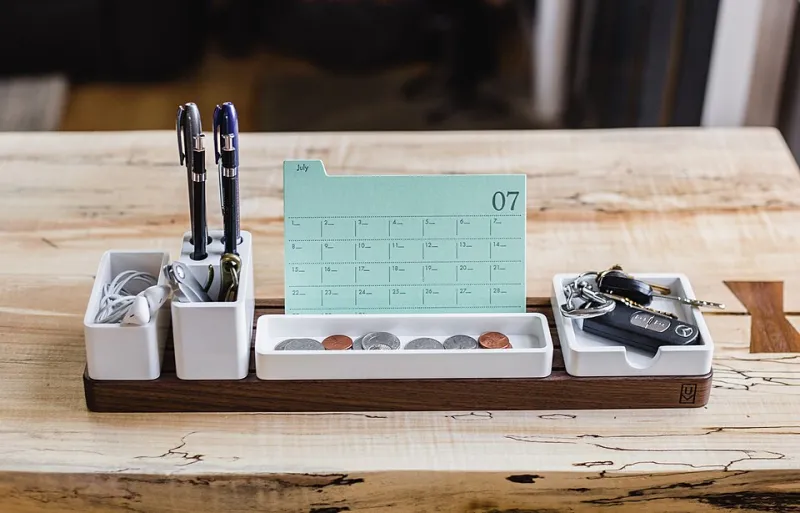
Nobody posts about the invoicing system that kept them afloat or the boundary that saved their sanity. But those boring habits are exactly what separates careers that last from careers that flare out.
The difference between a freelancer and a studio isn't headcount — it's intentionality. Here's how one-person operations build genuine credibility through consistency and clear positioning, and why the fake-it route always backfires.
Most redesigns start with mood boards and end in regret. A better one starts with seven hard questions about what your current site is actually failing to do — and where your career is headed next. Run this checklist before you open a single design file.

Raising rates, billing for scope creep, fielding the 'quick favor' ask — these conversations get avoided because they feel rude. They're not. Here are word-for-word openers that keep the relationship intact and your year solvent.
That shoebox of rejected thumbnails and the sketchbook with coffee stains on page one? It's not clutter — it's equity. Here's how to treat your creative leftovers like the business asset they actually are.

The hardest emails to send are the ones you compose in a panic at 11pm. Pre-write the five messages every freelancer eventually needs — price increases, scope creep, late payments, polite declines, and the client revival note — and send them calmly instead of desperately.
Working solo means no one's there to validate your decisions in the moment—or tell you when you're heading off a cliff. But real creative confidence was never supposed to come from other people anyway. Here's how to build the kind that actually holds up.

Forcing yourself to produce at the same pace in February as you do in October isn't discipline — it's just exhaustion in slow motion. Some of the most sustainable creative practices are built around the natural rhythms of energy and demand rather than a flat, year-round output schedule. Here's how to actually make that work.
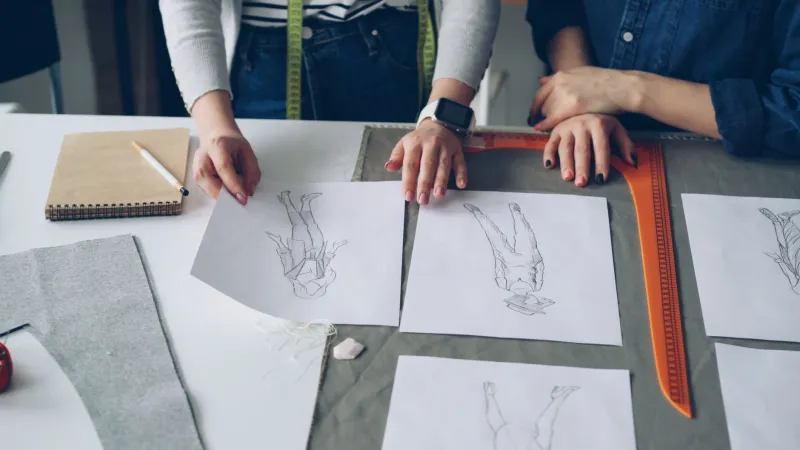
Collaborating with other talented creatives sounds like the dream — more ideas, shared energy, better work. But sometimes the opposite happens, and your clearest instincts get buried under compromise. Here's how to know when joining forces lifts your work and when it quietly flattens it.

A portfolio is a highlight reel. A body of work is something more honest — and more powerful. Shifting how you think about your creative output over time can change not just how clients see you, but how you see yourself.

The people who know you best are often the worst critics of your work — not because they don't care, but because they care too much. Fresh eyes from unexpected places cut through the noise in ways your inner circle simply can't. Here's how to find the feedback that actually moves the needle.

Every creative professional has heard some version of the pitch: 'We can't pay you, but think of the visibility.' It sounds reasonable on the surface — especially early in your career when you're hungry for opportunities. But free work has real costs, and most of them don't show up until later.
One month you're turning down work. The next, you're refreshing your inbox at midnight wondering where everyone went. If you're a freelance designer or artist, this pattern probably sounds familiar — and exhausting. The good news is it's not inevitable, even if it feels that way.

Transparency sounds like a virtue until the person watching you work starts steering the wheel. When clients get deep enough access to your process, they don't just observe—they start leading. Here's how to protect your creative authority without closing the door on collaboration.

You finish a project, hit send, and then... nothing. Not externally — internally. That weird flatness after completion isn't a sign something went wrong. It's one of the most common and least-talked-about experiences in the creative world, and it's quietly messing with how you see your own work.
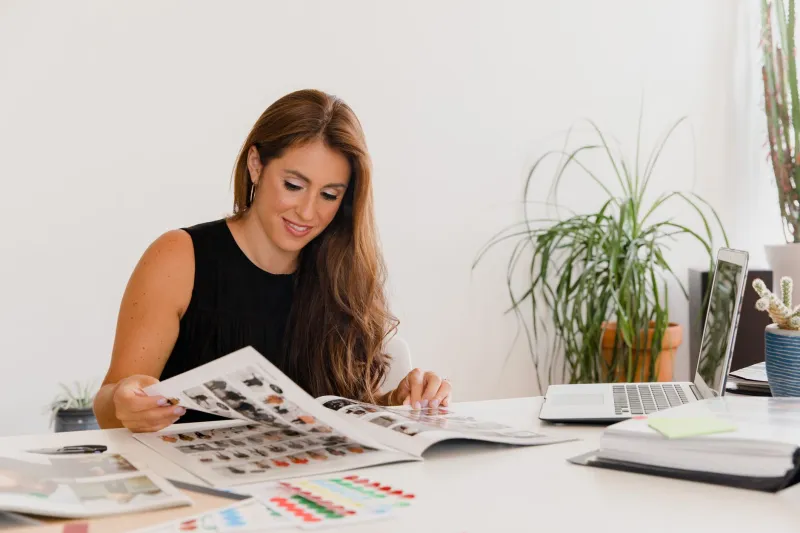
Most creatives are sitting on a goldmine they've completely forgotten about. Your old project folders are full of work that deserves a second look — and maybe a second life. Here's how to stop abandoning your strongest pieces and start building a curation system that actually works.
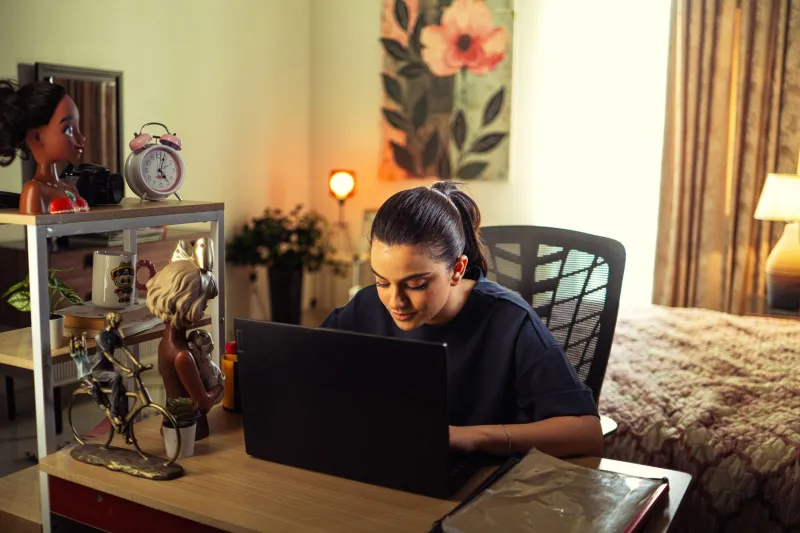
A lot of creative professionals are stuck in a holding pattern they don't even recognize — waiting for someone, somewhere, to tell them their idea is good enough to pursue. The approval loop is real, it's costly, and it might be quietly eating your best years. Here's how to spot it and get out.
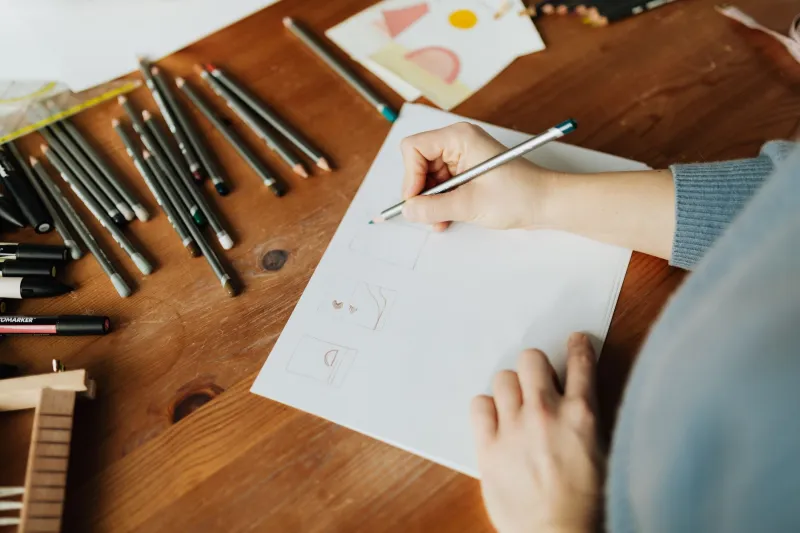
Asking for feedback too early feels productive, but it might be quietly dismantling the thing you were actually trying to build. Before you share that half-formed idea with anyone, it's worth asking whether you're looking for perspective — or just permission to keep going.

Most creatives have a graveyard of unfinished or unreleased work sitting on a hard drive somewhere — projects that felt too raw, too risky, or just not quite ready. But what if those hidden pieces are actually the best things you've ever made? Here's why learning to let go of 'perfect' might be the most powerful move in your career.
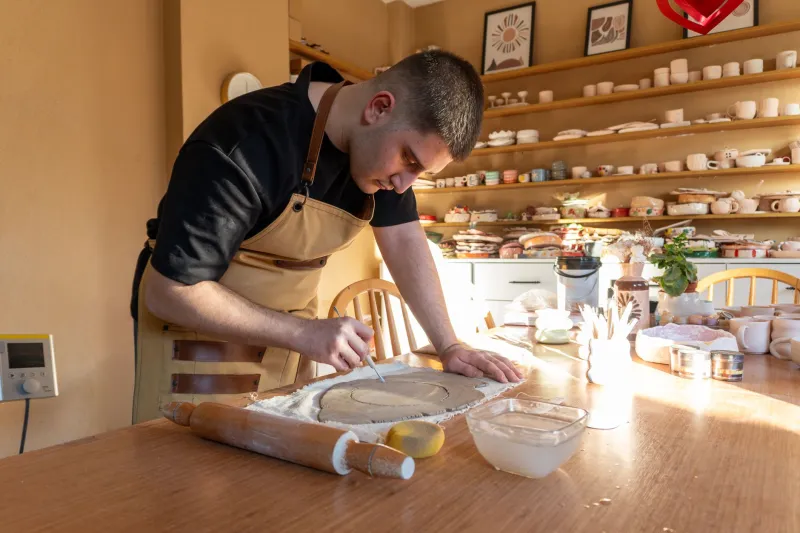
The pressure to build repeatable systems and grow faster can quietly strip away the very thing that made clients seek you out in the first place. There's a real tension between running a sustainable creative business and protecting the handmade quality that defines your work. Here's how to grow without losing yourself in the process.
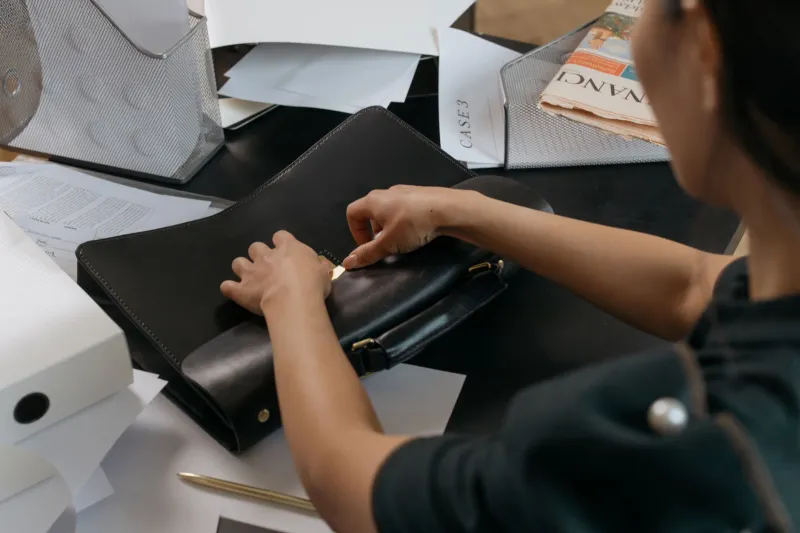
The identity that first got you noticed was never meant to be permanent. When creative professionals confuse loyalty to their current style with loyalty to themselves, growth quietly stalls. Here's how to tell the difference — and what to do about it.
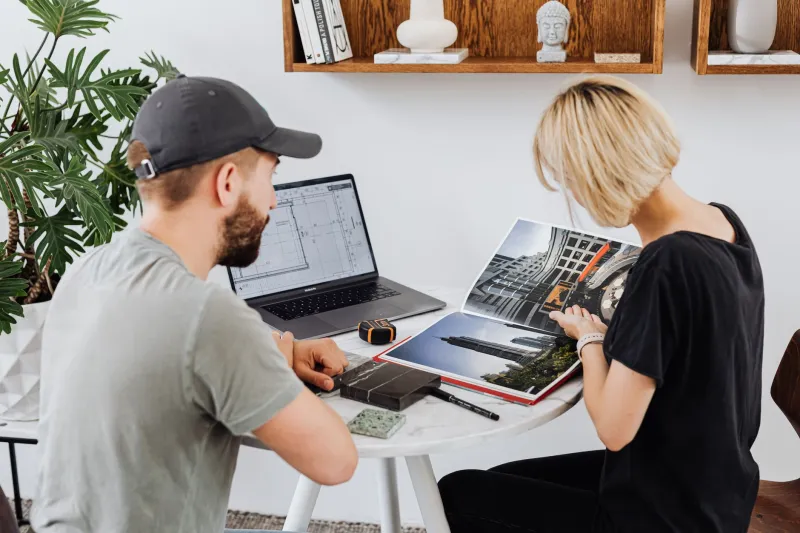
Landing a client who gets your aesthetic, shares your values, and actually uses words like 'negative space' in casual conversation sounds like the dream. But for a lot of creatives, that dream project quietly becomes the one where their sharpest instincts go soft. Here's why the best-fit client can sometimes be the one who costs you the most creatively.
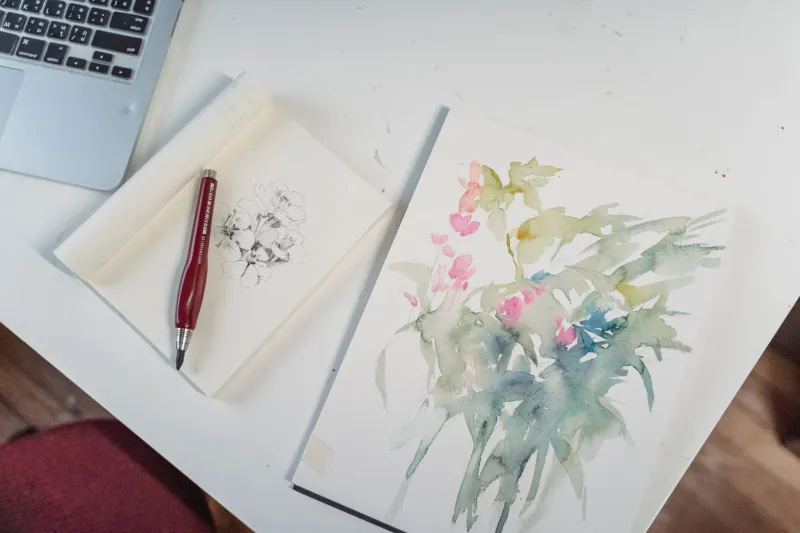
Every few months, a new aesthetic takes over feeds, mood boards, and client briefs — and suddenly everyone's work starts looking the same. The pressure to stay current is real, but the creatives who build lasting careers are often the ones who quietly tune it out. Here's why stepping back from trends might be the most strategic thing you do this year.

There's a fine line between staying informed and slowly becoming a copy of everyone you admire. If you've been spending more time studying what other creatives are doing than actually making your own work, your original voice might be paying the price.

Most creatives don't have a talent problem — they have a permission problem. The habit of looping in clients, collaborators, and audiences before executing your best ideas isn't collaborative; it's quietly killing your work. Here's how to tell the difference between feedback that sharpens your vision and approval-seeking that dulls it.
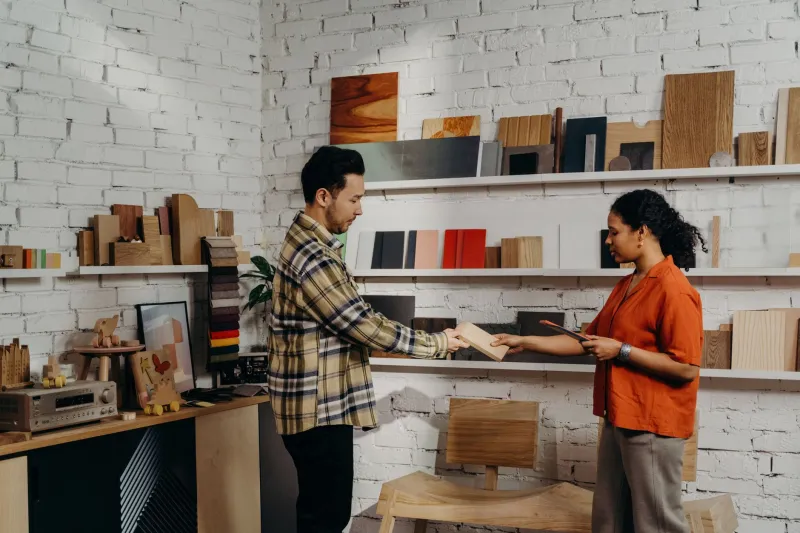
More feedback doesn't always mean better outcomes. Sometimes the most powerful thing a creative can do is draw a clear line around how much outside input actually shapes the work. Here's why protecting your process might be the best service you offer a client.
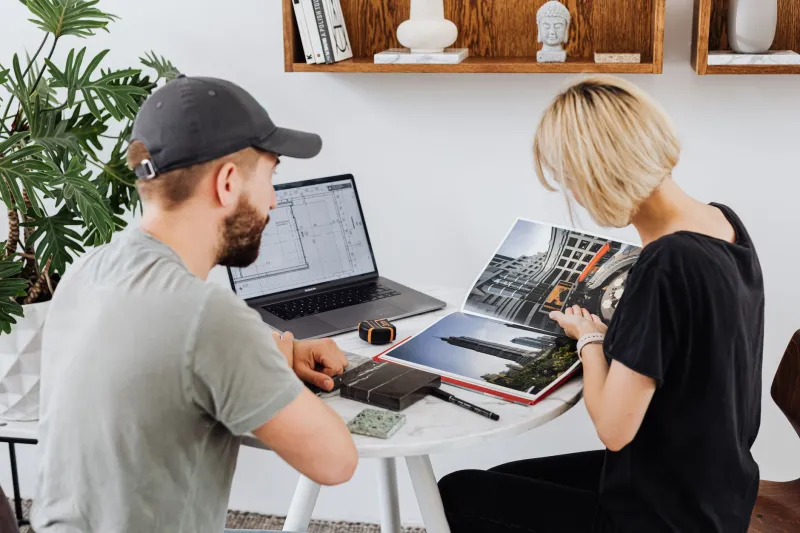
The client who never pushes back sounds like a dream — until you realize you've done fourteen rounds of revisions and your original concept is completely unrecognizable. Endless flexibility isn't a perk; it's a trap. Here's how to recognize the cycle and reclaim the creative clarity that made your work worth hiring in the first place.
Losing followers feels like failure—until you realize it might be the clearest creative signal you've ever received. For artists and designers willing to sit with the discomfort, audience decline can point directly toward more honest, more sustainable work. Here's how to read that signal instead of panicking over it.
Building a recognizable personal brand feels like the ultimate creative win — until the box you built starts feeling like a cage. Here's how to tell the difference between a signature style and a creative straitjacket, and what to do when you're ready to evolve.
Authenticity is the most overused word in the creative industry right now—and it might be quietly suffocating your growth. The best creative professionals aren't necessarily the most 'genuine'; they're the most intentional about who they're becoming. Here's why the brand box you built around your 'real self' could be the very thing keeping you stuck.
That stubborn design problem you've been wrestling with for days? The answer probably isn't hiding at hour nine of a grind session. Science—and a whole lot of working creatives—suggest the real magic kicks in the moment you walk away.
The generalist creative hustle used to make sense. Cast a wide net, take every project, and hope something stuck. But the landscape has shifted — and the designers and artists building the most sustainable careers are doing the exact opposite. They're going narrow on purpose.

In 2024, your personal website isn't optional — it's your most important professional asset. Whether you're a freelance illustrator, a brand designer, or a multidisciplinary creative, a well-built portfolio site can be the difference between landing the client and losing them to someone with a cleaner homepage. Here's how to build yours the right way.